Installing an air conditioning system in an energy-conscious home requires careful planning and consideration to ensure efficiency, comfort, and reduced environmental impact. The first step involves assessing the cooling needs of your living space. This includes calculating the square footage and understanding factors such as insulation quality, window placement, and sun exposure. A properly sized unit prevents unnecessary energy consumption by avoiding overworking or underperforming systems.
Choosing an energy-efficient model is crucial for minimizing electricity use while maintaining optimal indoor temperatures. Look for air conditioners with a high Seasonal Energy Efficiency Ratio (SEER) rating or those labeled ENERGY STAR certified. These units are designed to deliver better performance using less power. Additionally, consider inverter technology models that adjust compressor speed based on cooling demand rather than running at full capacity continuously, which significantly improves efficiency.
The location of both indoor and outdoor components affects overall system performance. Install the outdoor condenser unit in a shaded area with good airflow to prevent overheating and reduce strain on the compressor. Inside, position vents strategically to promote even distribution of cool air throughout rooms without obstruction from furniture or curtains. Proper ductwork sealing also plays a vital role in preventing leaks that cause energy loss; therefore, inspect find out everything ducts thoroughly during installation.
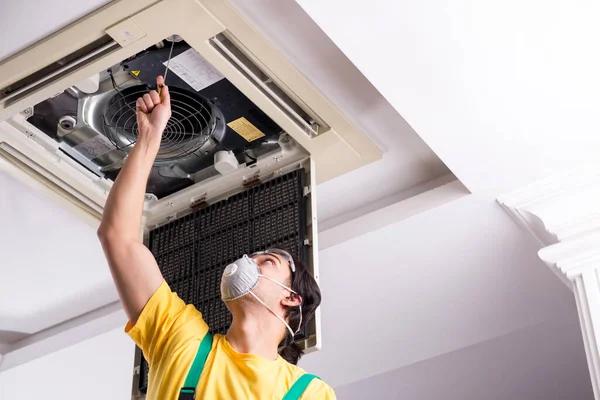
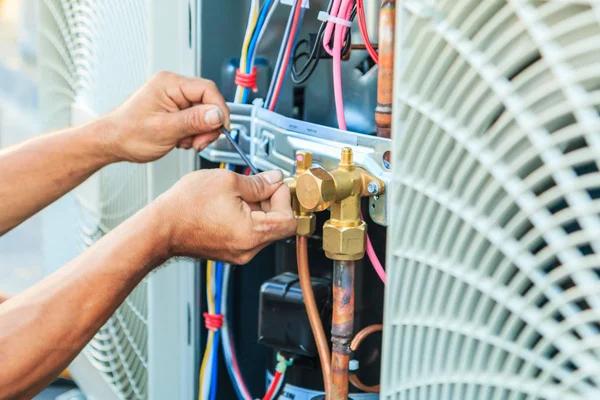
Professional installation is highly recommended for maintaining warranty validity and ensuring correct setup according to manufacturer specifications. Certified technicians have the expertise to handle refrigerant charging accurately, electrical connections safely, and mounting securely-steps that directly influence system longevity and effectiveness.
Incorporating smart thermostats can further enhance energy savings by allowing precise temperature control tailored to occupancy patterns. Programmable settings enable automatic adjustments when no one is home or during nighttime hours when cooler temperatures suffice.
Regular maintenance after installation helps sustain peak efficiency over time. Cleaning filters monthly reduces strain on the system by improving airflow while scheduling annual professional check-ups ensures components like coils and fans remain in good working order.
Finally, integrating complementary measures such as improved insulation, reflective window films, ceiling fans for air circulation, and shading devices can reduce overall cooling loads on your new air conditioner. Combining these strategies creates a holistic approach toward lowering energy consumption while enhancing indoor comfort within environmentally responsible homes.
By following these guidelines carefully during installation planning through ongoing upkeep stages, homeowners can enjoy reliable cooling solutions tailored specifically for sustainability goals without compromising convenience or functionality in their living spaces.