
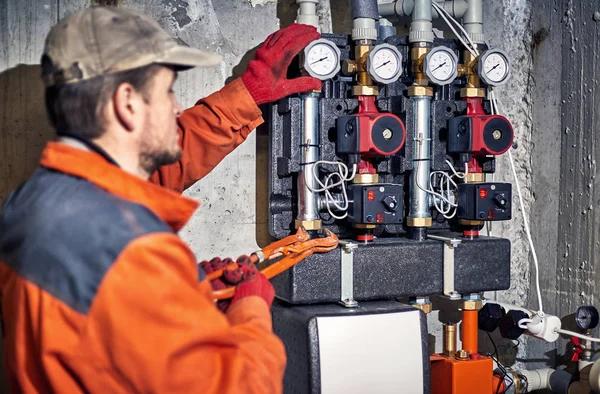
Installing a mini-split system in residential properties has become an increasingly popular choice for homeowners looking to enhance their heating and cooling efficiency. These systems offer the flexibility of zoning, allowing different areas of a home to be heated or cooled independently, which can significantly reduce energy costs and provide personalized comfort.
The process of installing a mini-split system is straightforward, especially when compared to traditional HVAC systems that require extensive ductwork. The absence of ducts not only simplifies installation but also minimizes energy losses typically associated with ducted systems. A typical mini-split setup consists of an outdoor compressor unit connected to one or more indoor air-handling units via refrigerant lines. This design allows for targeted climate control in specific rooms or zones.
heating system repairs
Before beginning the installation, it’s essential to choose the right size and capacity mini-split installation for residential properties system based on the square footage and layout of your home. An undersized unit may struggle to maintain desired temperatures, while an oversized one could lead to inefficient operation and increased wear on components. Consulting with a professional installer can help ensure you select the appropriate model tailored to your needs.
Once you have chosen your system, proper placement of both indoor and outdoor units is crucial for optimal performance. Indoor units should be mounted high on walls where airflow will not be obstructed by furniture or other objects. This positioning ensures even distribution of conditioned air throughout the space. Outdoor units need sufficient clearance around them for adequate airflow and should ideally be placed away from direct sunlight or heavy debris accumulation areas.
The installation process begins with mounting brackets being securely fixed onto walls where indoor units will reside. Afterward, small holes are drilled through exterior walls to accommodate refrigerant lines connecting indoor units with the outdoor compressor. These lines carry refrigerant back-and-forth between components during operation; thus precise connections are vital for efficient function without leaks.
Electrical wiring must also be correctly installed according to manufacturer specifications ensuring safe power supply across all parts involved within this ecosystem—professional electricians often handle these aspects given complex nature surrounding electrical codes compliance requirements governing such installations today globally alike locally too!
Finally comes testing phase whereby entire setup undergoes rigorous checks confirming everything functions smoothly before finalizing project completion successfully meeting customer satisfaction levels expected industry standards nowadays universally recognized benchmarks worldwide amongst peers practitioners alike everywhere else around globe too!
In conclusion: Installing mini-splits offers numerous benefits including enhanced energy efficiency plus personalized comfort options making them ideal solutions modern-day homes seeking sustainable alternatives traditional central air conditioning heating methods currently available market today!
Mercury Home Services
Fallston, MD 21047
443-616-1589