
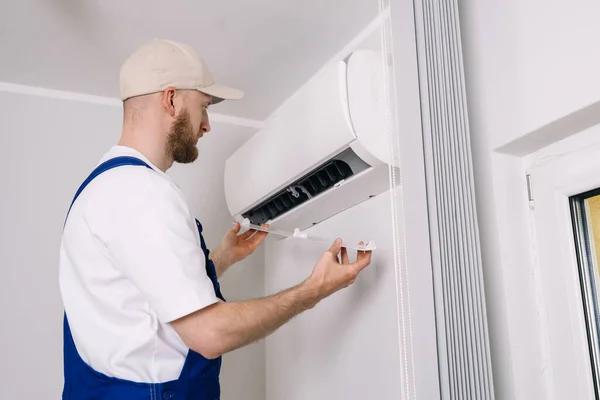
Air conditioning systems are essential for maintaining comfortable indoor environments, especially during hot weather. However, over time, these units can experience issues that reduce their cooling efficiency and increase energy consumption. AC repair cases designed for better cooling and efficiency focus on addressing common problems while enhancing the overall performance of the system. Proper diagnosis and timely maintenance play a crucial role in restoring optimal functionality to air conditioners.
One frequent cause of reduced cooling capacity is dirty or clogged filters. When filters accumulate dust and debris, airflow becomes restricted, forcing the system to work harder than necessary. Repair efforts often involve cleaning or replacing these filters to improve air circulation and ensure cooler air reaches every corner of a space. Additionally, technicians check evaporator coils since dirt buildup on these components impedes heat exchange processes critical for effective cooling.
Another important aspect of AC repair involves inspecting refrigerant levels. Low refrigerant due to leaks or improper charging diminishes the unit’s ability to absorb heat from indoor air efficiently. Professionals use specialized tools to detect leaks and recharge refrigerants according to manufacturer specifications. Correcting refrigerant issues not only restores cooling power but also prevents excessive wear on compressors caused by inadequate lubrication.
Electrical faults additional information within an air conditioner can also lead to poor performance or complete failure of certain functions such as fan operation or compressor cycling. Repair cases targeting electrical problems include testing capacitors, relays, wiring connections, and thermostat calibration. Ensuring all electrical components work harmoniously contributes significantly to enhanced energy efficiency while avoiding unnecessary breakdowns.
Improving ductwork integrity is another area addressed during comprehensive AC repairs aimed at boosting efficiency. Leaky ducts allow cooled air to escape before reaching intended rooms, resulting in uneven temperatures and wasted energy resources. Sealing gaps with appropriate materials helps maintain consistent airflow distribution throughout a building.
Modern advancements have introduced smart thermostats compatible with many existing AC systems; integrating these devices during repair visits allows users greater control over temperature settings based on occupancy patterns or weather conditions outside. This integration minimizes energy wastage by adapting operation schedules automatically rather than relying solely on manual adjustments.
Routine maintenance combined with targeted repairs ensures that an air conditioning system operates at peak performance levels year-round without excessive electricity costs or frequent service calls. Addressing filter cleanliness, coil condition, refrigerant charge accuracy, electrical component health, duct sealing quality, and smart control options collectively enhances both cooling effectiveness and operational efficiency in residential or commercial settings alike.
In conclusion, well-executed AC repair cases designed specifically for better cooling and improved efficiency extend equipment lifespan while providing cost savings through lower utility bills and fewer emergency repairs needed down the line-making them a worthwhile investment for any property owner seeking reliable climate comfort solutions throughout warm seasons ahead.